DINO TAKASHI
island to URLandSeptember 19 - October 12, 2025
Opening Reception: Friday, September 19, 5-9pm

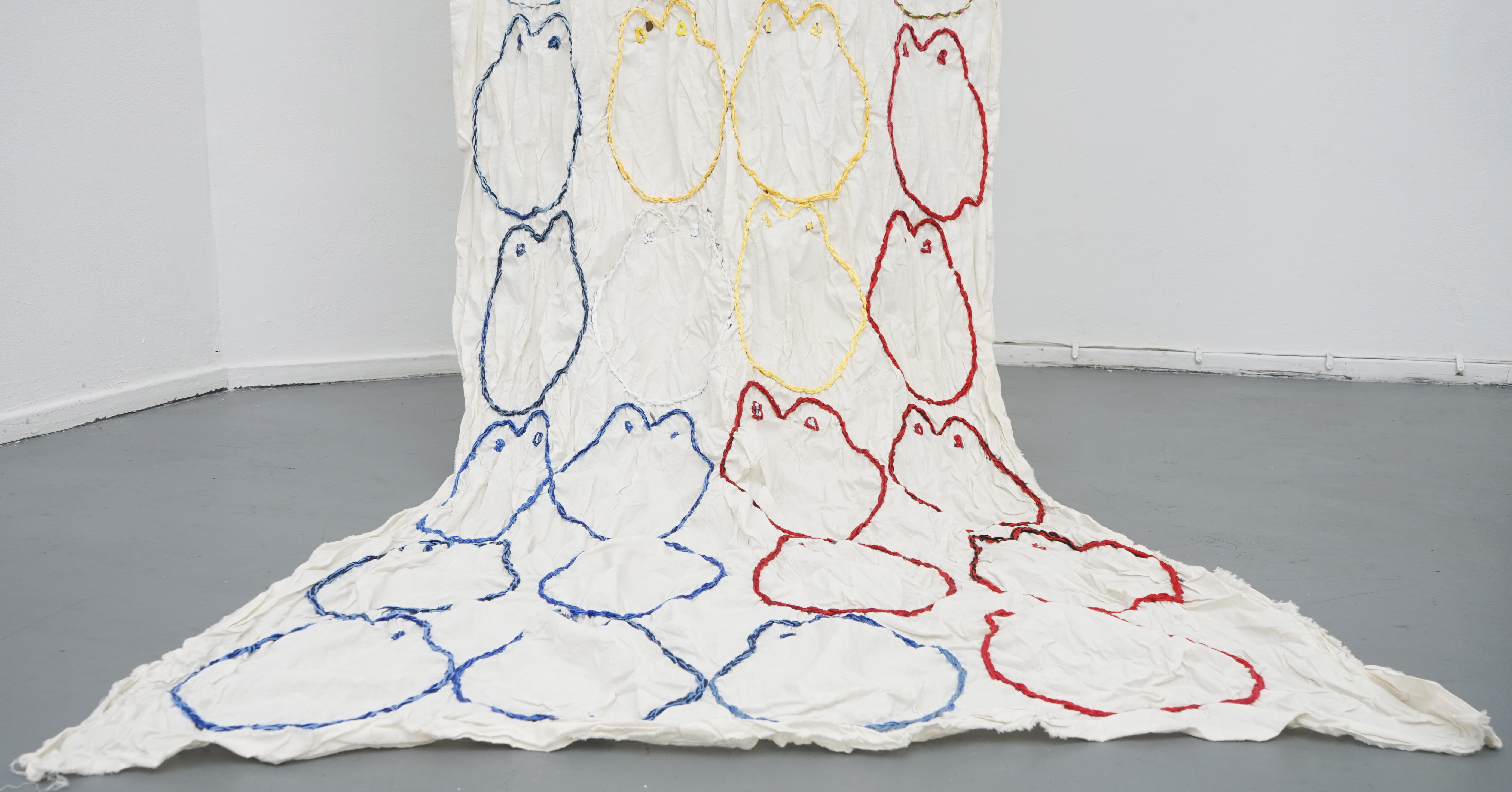
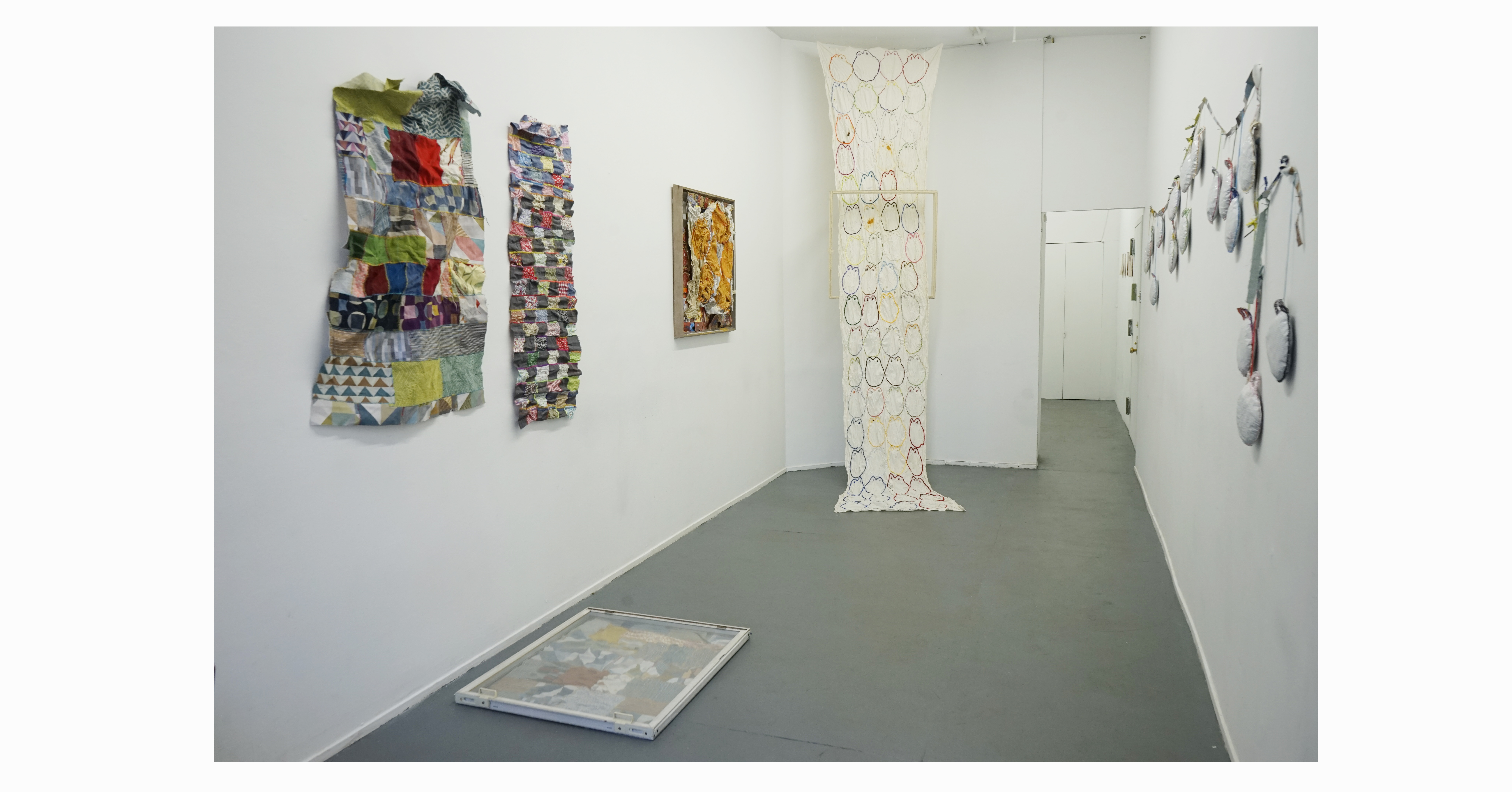
Essex Flowers is excited to present “island to URLand,” Dino Takashi’s first solo exhibition at the gallery. In this new body of work, Takashi draws from historical archives, census and labor statistics, internet history, and personal lived experience as a Filipino immigrant in the United States. A year-long experimentation with materials and different mediums resulted in a visual language and conceptual representation of how Filipinos are interwoven in American life yet invisible as historical subjects.
After the Spanish-American War and The Treaty of Paris of 1898 was signed, this historical event marked the colonial relationship that has profoundly shaped the lives of Filipinos at home and overseas. The American occupation in the Philippines was fueled with dehumanizing rhetoric - Filipinos were described as “savages” and “dogeaters,” incapable of governing themselves thus needing an outside power. These stereotypes created a long-lasting shadow of prejudice in Filipino communities across the United States.
Filipino labor, however, was essential to building modern America. From sugarcane plantations in Hawai‘i to farms in California and canneries in Alaska, Filipinos became an indispensable workforce throughout the 20th century. Despite this deep entanglement with American history, Filipinos in America rarely enter mainstream historical narratives. It is this invisibility—this paradox of presence and absence—that Takashi’s work confronts.
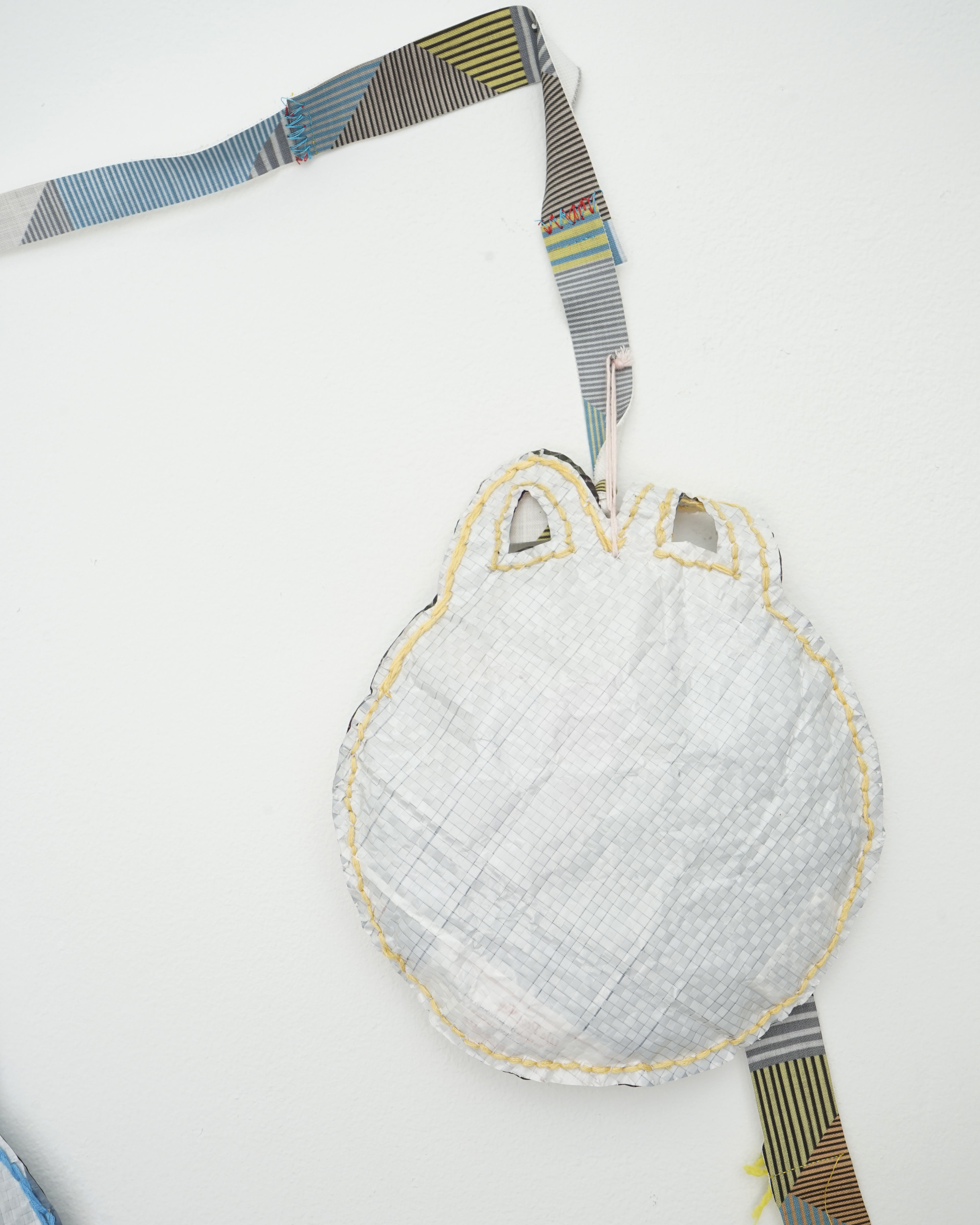
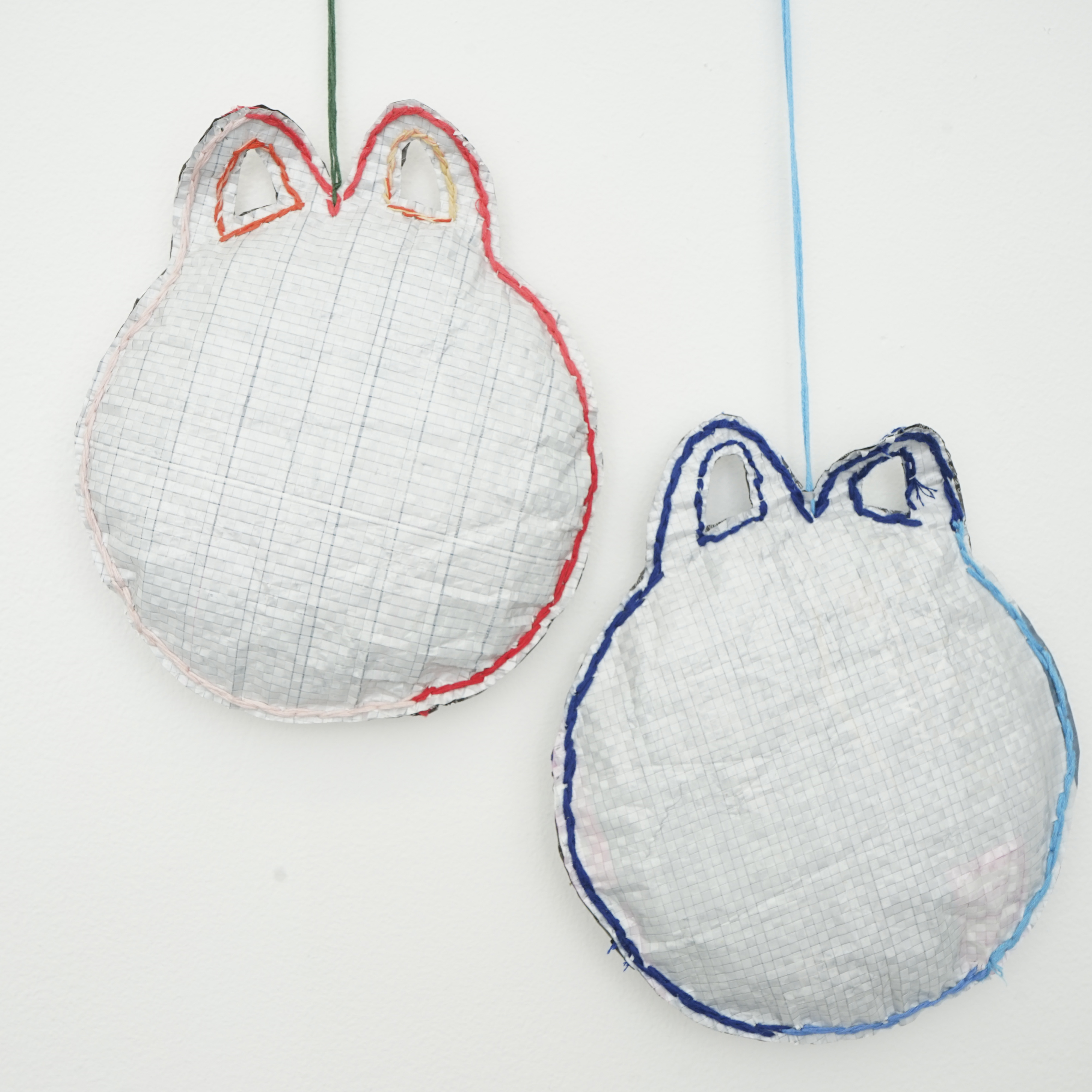
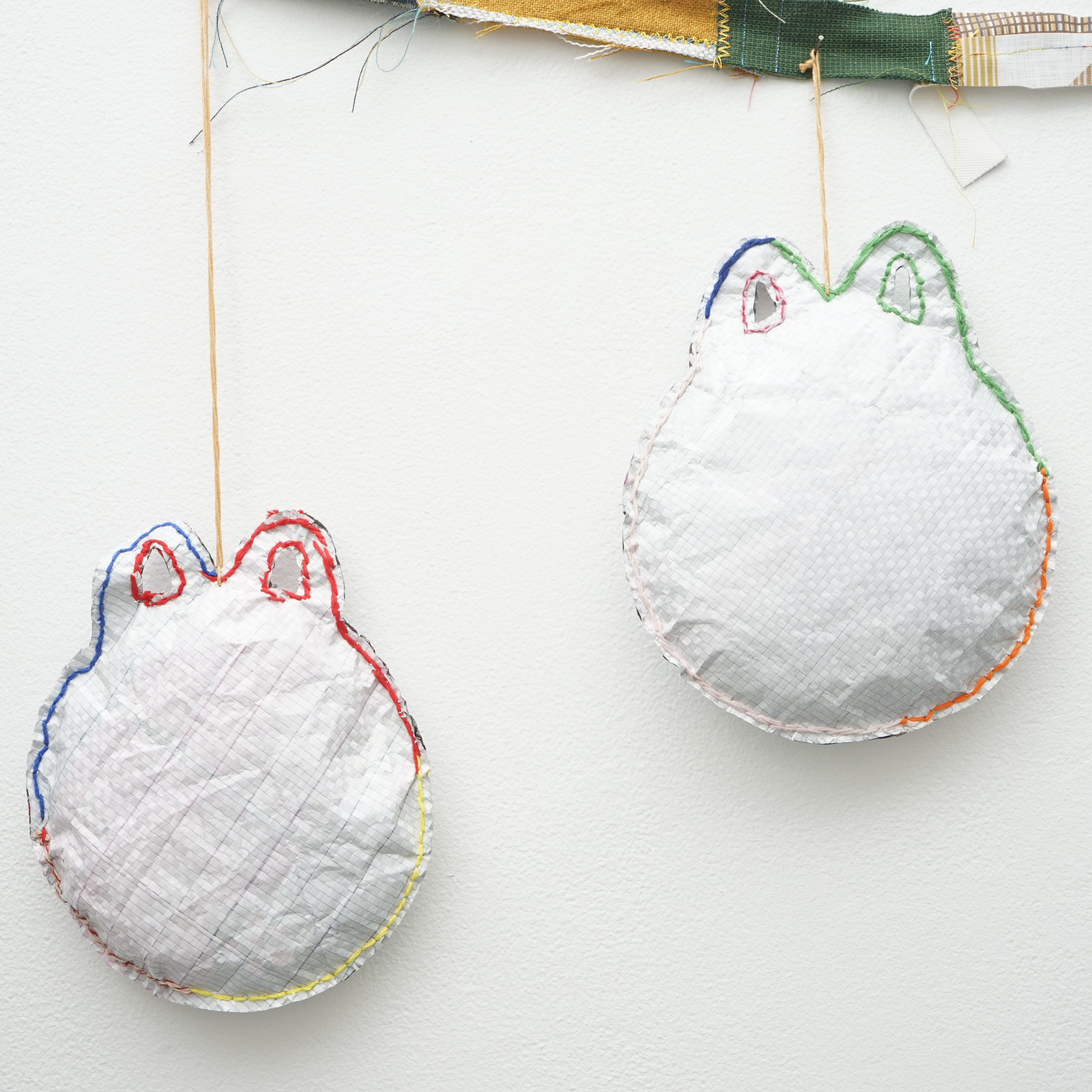
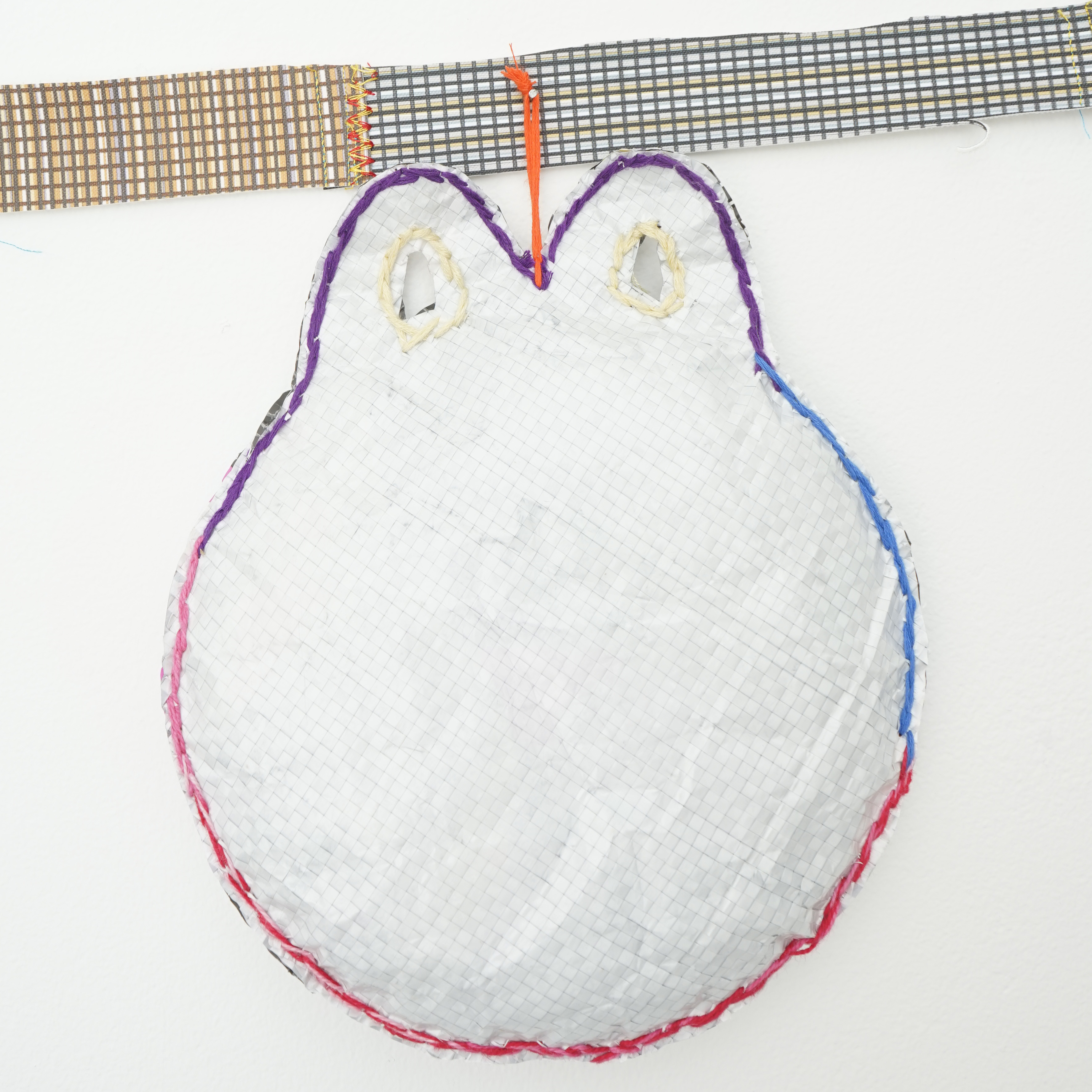
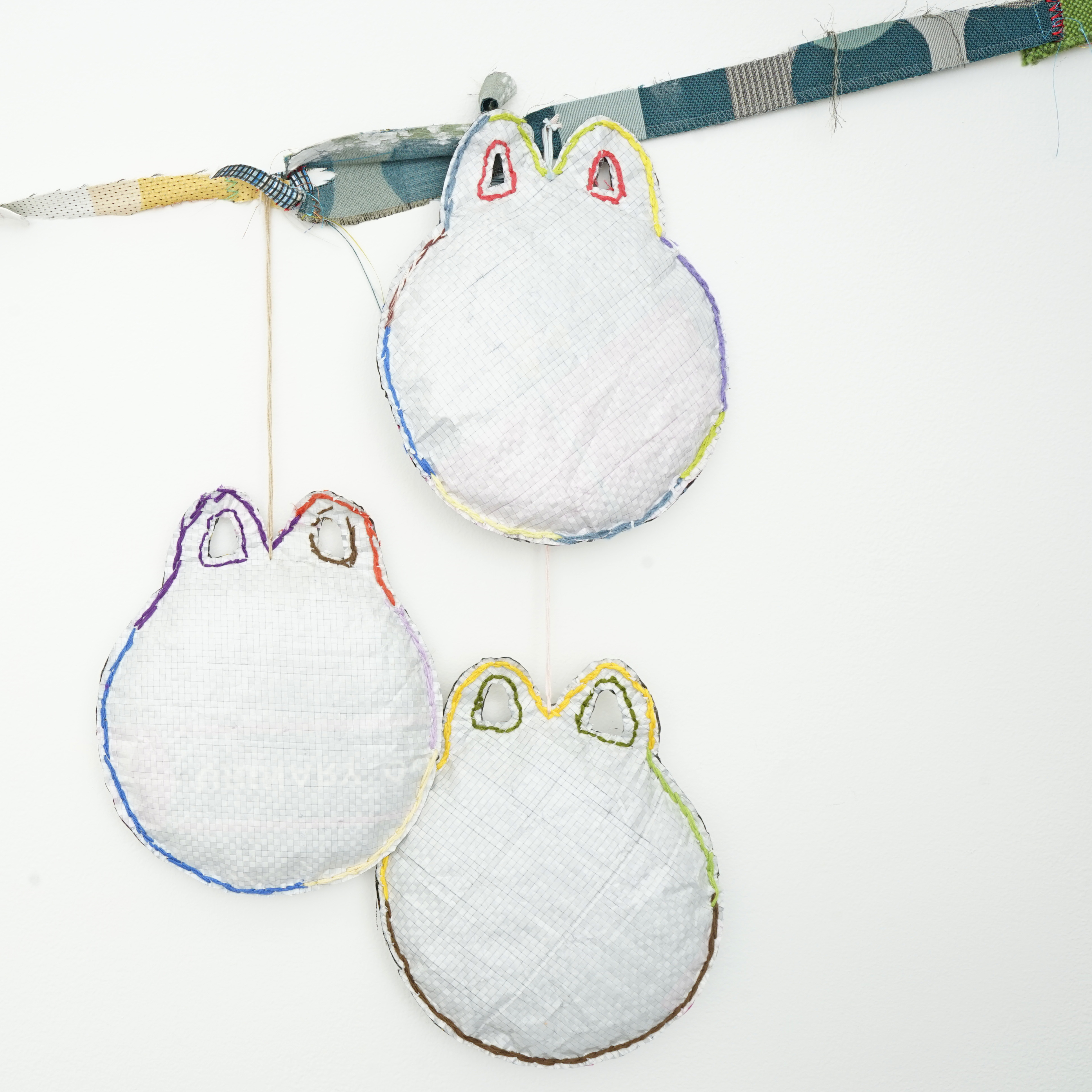
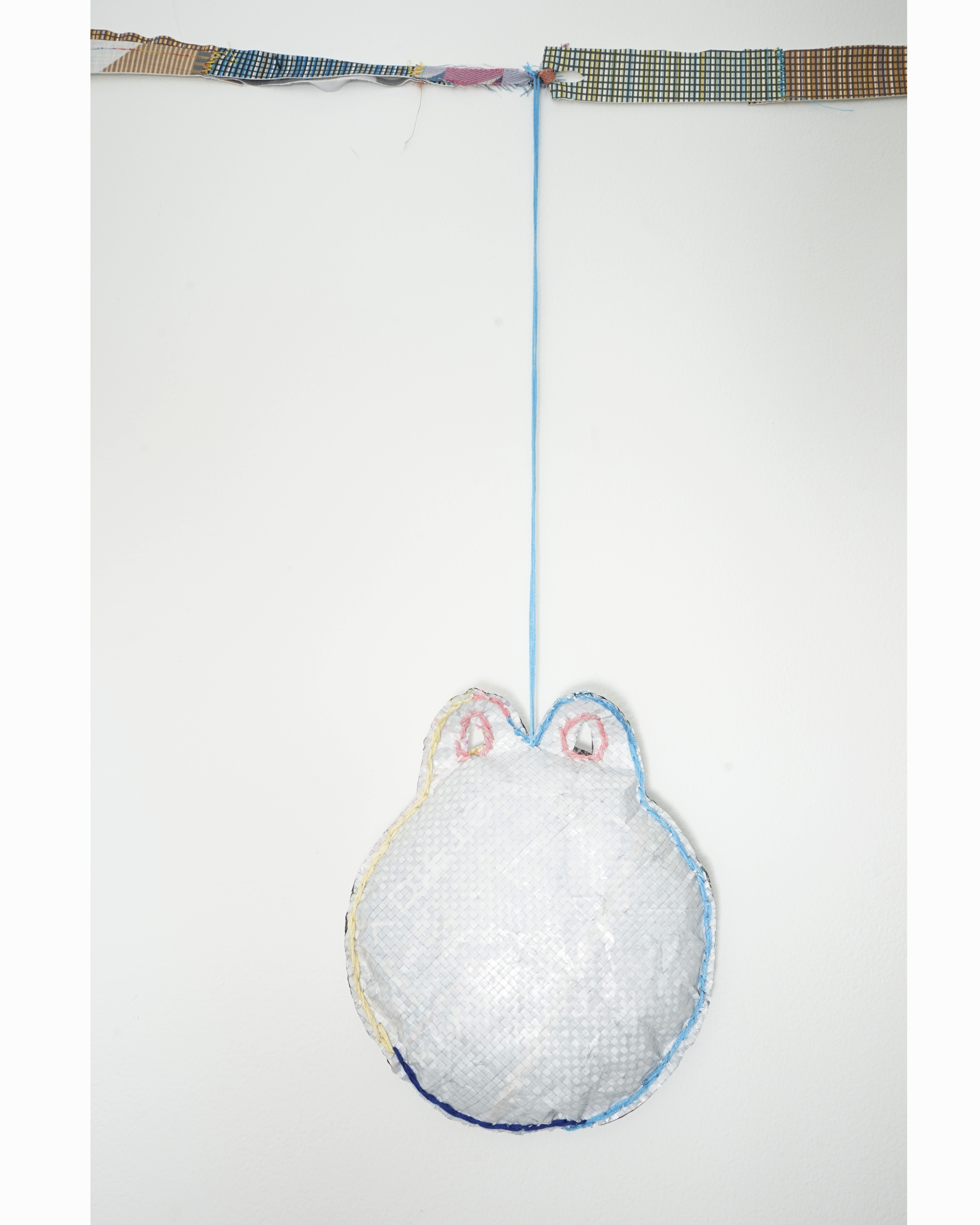
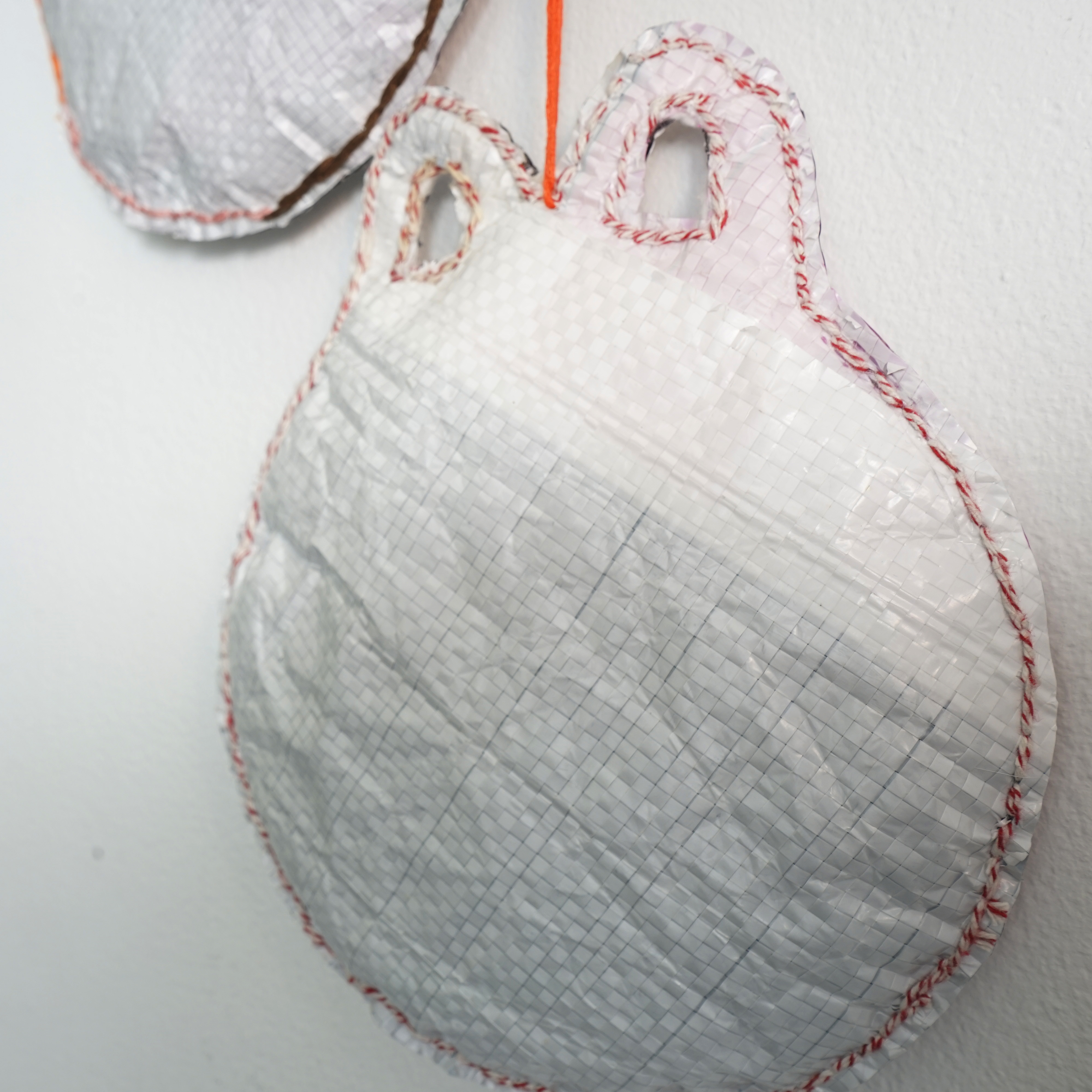
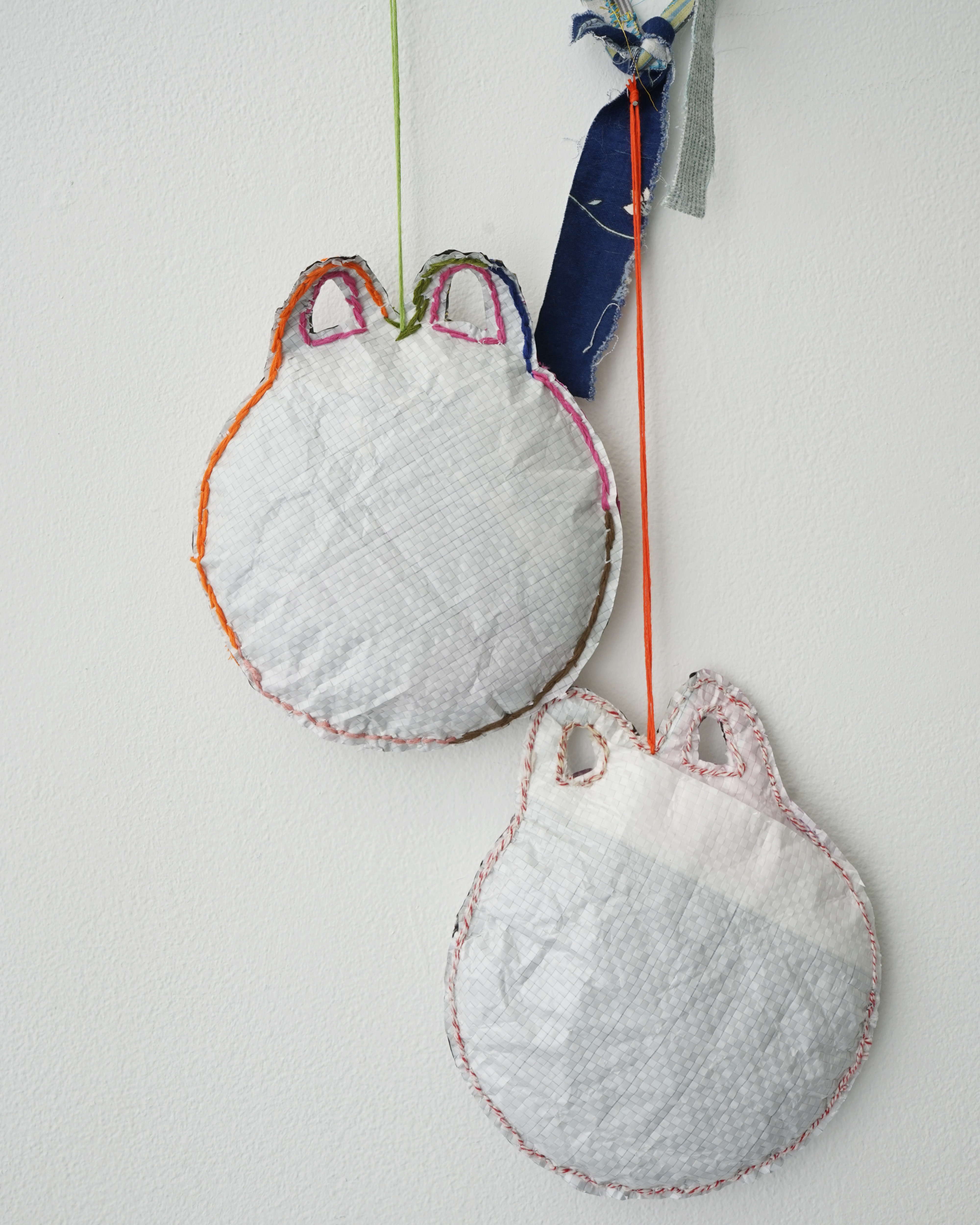
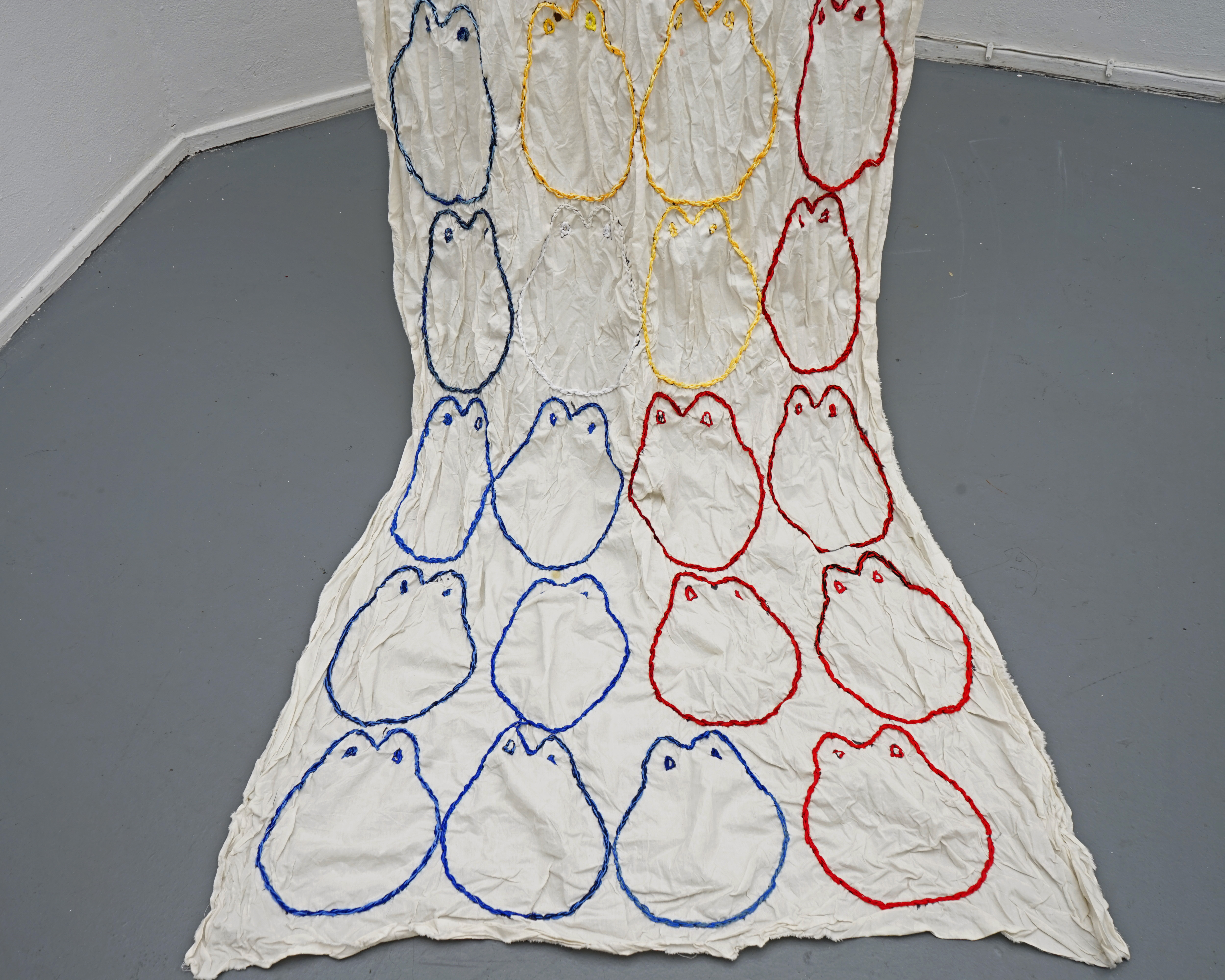
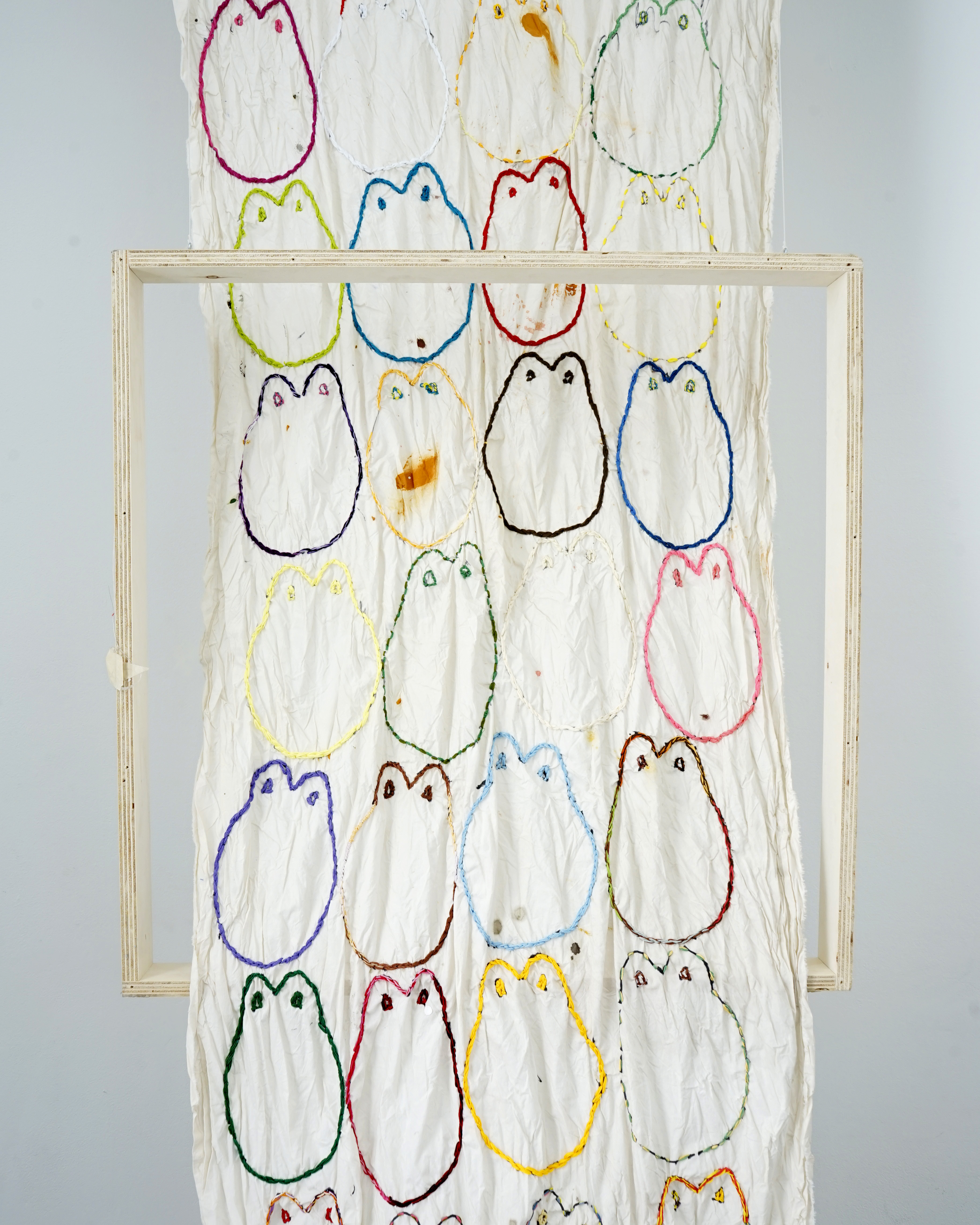
At the center of “island to URLand” is a recurring figure. Takashi created an icon that operates as an avatar of the Filipino diaspora. Simplified yet deeply layered, the figure echoes the logic of the emoji, the pictogram invented in 1999 by Japanese designer Shigetaka Kurita. Like the emoji, it is instantly recognizable. But beneath its surface lies a history of colonial erasure, embodying the contradictions of a community that has long been misrepresented or overlooked.
By positioning this figure as both emblem and subject, Takashi offers a new lexicon for Filipino immigrant experience, imagining diaspora identity—one that is resilient, adaptive, and inherently present. This short reflection captures the essence of “island to URLand:” the tension between visibility and invisibility, presence and erasure, belonging and displacement.
—
“As a Filipino immigrant, I’ve often felt that our presence in American history is both everywhere and nowhere. We built, we labored, we contributed—but we remain invisible in the stories that get told.”
Dino Takashi (b. Manila, Philippines) is a Brooklyn-based Filipino multidisciplinary artist whose work spans photography, video, painting, installation and community-building. His practice explores themes of labor, migration, colonial history, and cultural identity, often weaving personal narrative into broader historical contexts of the Filipino diaspora in the United States. His work is informed by archival and social research, digging on the complexities of representation, assimilation and the resilience of Filipinos as imported labor.
![]()
![]()
![]()
![]()
![]()
![]()
![]()
![]()
![]()
![]()
![]()
![]()
![]()
![]()
![]()
![]()
![]()
![]()
![]()
![]()
![]()
![]()
![]()
![]()
![]()
![]()
![]()
![]()
![]()
![]()
![]()
After the Spanish-American War and The Treaty of Paris of 1898 was signed, this historical event marked the colonial relationship that has profoundly shaped the lives of Filipinos at home and overseas. The American occupation in the Philippines was fueled with dehumanizing rhetoric - Filipinos were described as “savages” and “dogeaters,” incapable of governing themselves thus needing an outside power. These stereotypes created a long-lasting shadow of prejudice in Filipino communities across the United States.
Filipino labor, however, was essential to building modern America. From sugarcane plantations in Hawai‘i to farms in California and canneries in Alaska, Filipinos became an indispensable workforce throughout the 20th century. Despite this deep entanglement with American history, Filipinos in America rarely enter mainstream historical narratives. It is this invisibility—this paradox of presence and absence—that Takashi’s work confronts.
At the center of “island to URLand” is a recurring figure. Takashi created an icon that operates as an avatar of the Filipino diaspora. Simplified yet deeply layered, the figure echoes the logic of the emoji, the pictogram invented in 1999 by Japanese designer Shigetaka Kurita. Like the emoji, it is instantly recognizable. But beneath its surface lies a history of colonial erasure, embodying the contradictions of a community that has long been misrepresented or overlooked.
By positioning this figure as both emblem and subject, Takashi offers a new lexicon for Filipino immigrant experience, imagining diaspora identity—one that is resilient, adaptive, and inherently present. This short reflection captures the essence of “island to URLand:” the tension between visibility and invisibility, presence and erasure, belonging and displacement.
—
“As a Filipino immigrant, I’ve often felt that our presence in American history is both everywhere and nowhere. We built, we labored, we contributed—but we remain invisible in the stories that get told.”
Dino Takashi (b. Manila, Philippines) is a Brooklyn-based Filipino multidisciplinary artist whose work spans photography, video, painting, installation and community-building. His practice explores themes of labor, migration, colonial history, and cultural identity, often weaving personal narrative into broader historical contexts of the Filipino diaspora in the United States. His work is informed by archival and social research, digging on the complexities of representation, assimilation and the resilience of Filipinos as imported labor.